
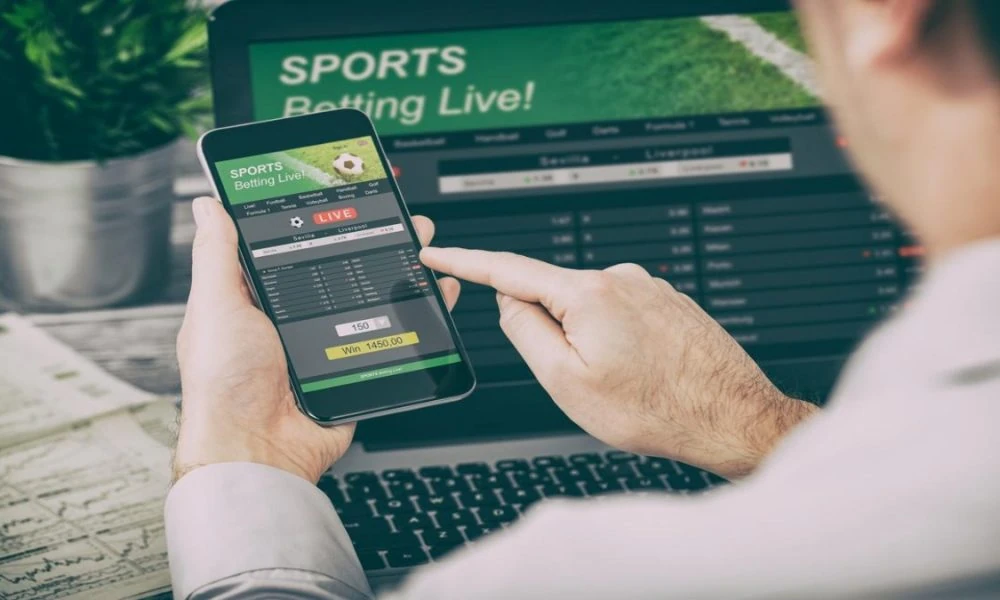
Sports betting markets move primarily in response to capital flow and new information rather than arbitrary oddsmaker decisions. Understanding how point spreads, moneylines, and totals adjust allows bettors to distinguish between casual public volume and influential professional capital. Tracking these numerical shifts unlocks true market context.
When oddsmakers set up opening numbers, lines stay flexible until game time because of the reaction to injuries, changes in the starting lineups, and weather predictions of the market participants. The analysis of such movements can tell an observer where respected syndicates put money through ufabet mobile entrance (ทางเข้า ufabet มือถือ) and allow one to follow their moves before good prices disappear for good.
Mechanics of Odds Adjustments
Moving lines is not solely based on bets placed but rather based on who is placing the bet and how many dollars are being put down. Market-setting books closely monitor accounts with long-term winning track records.
When a recognized syndicate places a wager, the sportsbook immediately shifts the line to minimize liability. This initial adjustment triggers secondary books across the ecosystem to copy the price change, a phenomenon documented in Covers’ market dynamics analysis.
- Liability Balancing: Adjusting spreads to attract action on the opposing side.
- Information Ingestion: Rapidly integrating injury news or weather reports.
- Sharp Influence: Respecting high-volume wagers from proven winning accounts.
Identifying Sharp Versus Public Money
Distinguishing between casual recreational bets and professional capital requires analyzing the split between bet tickets and total wagered dollars. Public bettors generally account for a high volume of small wagers, whereas sharp syndicates place larger, concentrated bets.
| Betting Indicator | Public Action (Squares) | Professional Action (Sharps) |
|---|---|---|
| Average Ticket Size | Low ($10 – $50) | High ($1,000+) |
| Timing of Wagers | Hours before kickoff/game time | Immediately upon market opening |
| Market Disparity | High bet % / Low dollar % | Low bet % / High dollar % |
| Target Selections | Favorites, overs, popular franchises | Underdogs, unders, off-peak markets |
When a team receives 75% of total ticket volume but only 35% of total handles, professional money is heavily positioned on the opposing side. As detailed in Action Network’s sharp betting research, tracking this dollar-to-ticket divergence provides actionable market insight.
Spotting Reverse Line Movement
Reverse line movement (RLM) occurs when a betting line moves in the opposite direction of public consensus. If 80% of ticket volume favors a -7 favorite, yet the spread drops to -6, the sportsbook is adjusting the price to manage risk created by heavy sharp stakes on the underdog.
Spotting RLM early allows disciplined bettors to capture favorable numbers alongside institutional capital. However, blind adherence to RLM can be dangerous if the move stems from late-breaking player availability news rather than pure sharp opinion.
Key Numbers and Vig Shifts
Before a bookmaker moves a spread across critical margins of victory, they often adjust the vigorish (juice) first. The most common scoring point spreads in football are 3 and 7.
A bookie with a spread of -3 (-110) can go from -3 (-110) to -3 (-120) and then -3.5. The gradual shift indicates that a full point spread shift is around the corner.
- Half-Point Value: Crossing key numbers dramatically alters win probabilities.
- Juice Adjustments: Signify hidden liability before full spread shifts happen.
- Market Consensus: Cross-referencing sharp books prevents chasing false signals.
Capitalizing on Stale Odds Lines
Not all sportsbooks adjust their prices simultaneously. “Market makers” absorb sharp action first, while regional or recreational sportsbooks adjust with a time delay.
Bettors who monitor sharp movements on market-leading books can execute wagers on slower-to-react platforms when they enter ufa (เข้ายูฟ่า). Locking in a spread before a delayed market completes its adjustment yields consistent closing line value (CLV)-the single best indicator of long-term profitability.
Frequently Asked Questions
How does ufa process line movement during live betting?
Live wagering algorithms adjust odds dynamically in real time based on on-field win probabilities, time remaining, and incoming bet volume to maintain balanced book exposure.
What is the difference between a steam move and reverse line movement?
A steam move occurs when sharp syndicates place simultaneous bets across multiple sportsbooks, causing sudden nationwide line shifts. Reverse line movement occurs when a line shifts against public betting consensus.
How does ufabet online handle sharp bettors compared to recreational books?
Platforms manage risk by adjusting lines swiftly when respected accounts wager, balancing liquidity while maintaining competitive pricing across global markets.
Why do sportsbooks adjust juice instead of moving the spread?
Adjusting juice allows books to discourage action on one side without exposing themselves to “middle” opportunities by crossing key numbers like 3 or 7.
What is Closing Line Value (CLV) and why does it matter?
Closing Line Value measures your wager’s price against the final line before game time. Consistently beating the closing line indicates a long-term mathematical advantage over the sportsbook.
Strategic Market Edge
Mastering market dynamics requires shifting attention away from raw team preferences and toward market mechanics. Line movement is not noise but the monetary imprint of an educated process responding to risk. The key is to understand the dynamics of how lines move, whether from steam action, changes to the vigorish, or strong syndicate activity. Smart players who monitor these sharp fluctuations can capitalize on delayed odds adjustments when they enter ufa (เข้ายูฟ่า). Bettors who master these concepts have a continual structural advantage over the masses. Discipline is key. Every line move is one piece of a larger probability puzzle. Strip away the emotion and place bets when the numbers make sense.